In Guatemala, indigenous women are building climate resilience through old and new farming methods


In the southwestern region of Guatemala there is a large lake with a storied history.
Lake Atitlán is one of the most critical drinking water bodies in Central America, and is surrounded by volcanoes, a thriving tourism industry and an ancient Mayan culture. The Sololá region has long been home to indigenous communities attracted by its fertile land and pristine natural resources.
But in recent years, this area of natural beauty in the highlands of Guatemala has had to deal with the increasing impacts of climate and environmental problems. Climate change is disrupting the rainfall cycle and important areas of the world are showing signs of erosion and loss of soil fertility. These changes threaten crop production and expose local people to food insecurity.
Elena Wason, managing director of Natün, a non-profit that supports indigenous peoples, told Climate Home News that community leaders “identified deforestation and the effects of climate change on their communities as among their biggest concerns”. Forest cover has decreased by an estimated 12% in the last two years alone.
Women are often the social group most exposed to these changes and Natün is focusing its efforts on revitalizing Indigenous agricultural techniques in an effort to improve climate resilience and empower women farmers.
How to fight drought
The impact of climate change on Indigenous communities can often lead to further environmental damage as farmers are forced to rely on unregulated practices, such as cutting down trees to clear more land. This can accelerate water scarcity, soil erosion and ultimately food insecurity.
Providing natural breathing room builds weather resistance
An ongoing adaptation project led by Natün seeks to reverse these impacts, working with local people to integrate modern climate-smart agriculture and ancestral knowledge. This approach involves the use of drought tolerant plants, organic pest management and soil conservation techniques. This is increasingly being recognized as an effective way to strengthen climate resilience.
“Our approach is based on soil analysis and the use of locally resilient, permanent tree species, which greatly increase survival rates and ensure sustainable water availability despite changing rainfall patterns,” Wason explained.

A US$170,000 grant from the Adaptation Fund-UNDP for an innovation platform (through the AFCIA program) also allowed it to grow. For example, Natün established more than 300 family food gardens – small areas with shared resources that focus on growing nutritious crops.
This project is designed for the long term by embedding innovation within Indigenous knowledge systems, organic farming and Mayan land management instead of imposing external solutions. In this way, it ensures that communities remain the architects of their resilience. Various revenue streams, including carbon credits and renewable learning resources, further support its longevity.
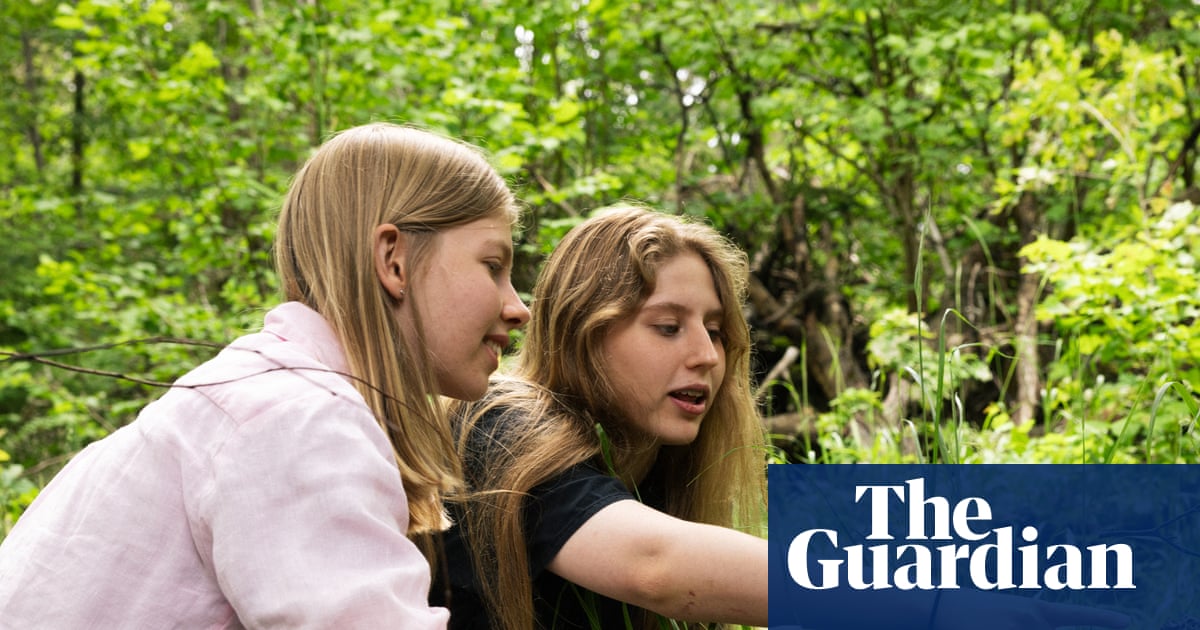
Almost all traditional Maya gardens are managed by women, and the project trains up to 30 women in climate-friendly practices, such as seed bank management. This approach has had the benefits of strengthening local food security and providing approximately 19,000 people with a sustainable source of food.
South African youth are adopting sustainable agriculture for food
“This project uses locally-led innovation to help restore sustainable Maya indigenous practices, while empowering vulnerable communities and women to build resilience and adapt to climate change and strengthen food security,” said Mikko Ollikainen, head of the Adaptation Fund.
“Community-led approaches like these can have a positive impact on directly affected communities and beyond by creating effective solutions,” he added.
Increased income
The program was expanded in 2025 with the creation of more than 260 small chicken farms, further diversifying the income of families. Early results have been positive: two-thirds of families with a garden and chickens now have more produce and an increased income of around $61 per month.
“These impacts greatly benefit women, who not only make up 75% of the program’s participants and have taken leadership roles in managing community gardens, but also often take responsibility for providing their families with nutritious food,” said Wason.
This project follows a previous $5.4 million project in Guatemala, also funded by the Adaptation Fund, which focuses on bee production, forest conservation and ancestral knowledge throughout Suchitepéquez and Sololá. The aim was to equip vulnerable communities and Indigenous peoples to adapt to floods and landslides, while developing diverse production areas and livelihoods.
Advancing women’s rights and climate empowerment
That project resulted in the management and conservation of 6,093 hectares, nearly 1,500 active beehives and 328 family gardens to help women adapt. Using such ancestral practices has helped increase the agricultural potential of the Nahualate River valley, benefiting about 1,125 people.

Permanent benefits
The long-term benefits of the Lake Atitlán project will be in providing communities, especially women, with effective tools to deal with the environmental challenges of drought, hurricanes and deforestation in the Sololá region. These challenges are becoming more prominent as the weather becomes more severe and unpredictable.
Guatemala ranks among the most climate-vulnerable countries. The World Bank estimates that up to 83% of its GDP is generated in disaster-prone areas. Thus, not only people near Lake Atitlán can benefit from sustainable farming techniques.
The Natün project is easily replicable using local knowledge and provides a practical model that can be adapted to all Indigenous communities facing similar climate pressures. In a country with more than 6 million Indigenous people, this approach will be important to many other communities as they face the same problems that exist in a warming world.
Adam Wentworth is a freelance journalist based in Brighton, UK.