From coral reefs in Kenya to seagrass meadows in the Caribbean and whale migration grounds in the Arctic, the proliferation of offshore oil, gas and liquefied natural gas is spreading to some of the ocean’s most ecologically important areas, according to a new analysis.
In many cases, researchers from Earth Insight—a non-profit organization that maps fossil, mining and other industrial threats to ecosystems and local communities—have found planned and active offshore oil and gas projects in areas that are intended to protect important ecosystems.
More than a quarter of the marine and coastal protected areas surveyed in 11 countries fall into areas vulnerable to oil and gas development, as do 40 percent of coral reefs and a third of mangrove forests. In these same countries, half of all areas used by whales and other marine mammals for migration, feeding and breeding also adjoin areas designated by governments for exploration and drilling called oil and gas fields.
“It’s shocking to see the research findings and the massive scale of fossil fuel expansion that threatens the health and future of our shared oceans,” said Tyson Miller, executive director of Earth Insight, which worked with dozens of other community organizations to produce the report, Fossil Fuel Threats to the Ocean: Marine Life and Coastal Communities at Risk.
The increase reflects a growing trend in the fossil fuel industry to pursue opportunities overseas, said Bruna Campos, senior campaigner at the Center for International Environmental Law and coordinator of the Fossil-Free Ocean Initiative, who was not involved in the analysis.
“The next frontier is the sea,” he said.
This shift is being driven in part by increasing resistance to new mining, especially on Indigenous lands, and technological advances that have made deep water more accessible for development, Campos said.
“The idea that it’s offshore, it’s out of sight, it’s out of mind, it plays into companies thinking, ‘We can do this. We don’t have to fight over ownership of the land.’
But in many cases, coastal areas of interest are important to coastal and Indigenous communities who rely on them for food, livelihoods and cultural practices, according to the report.
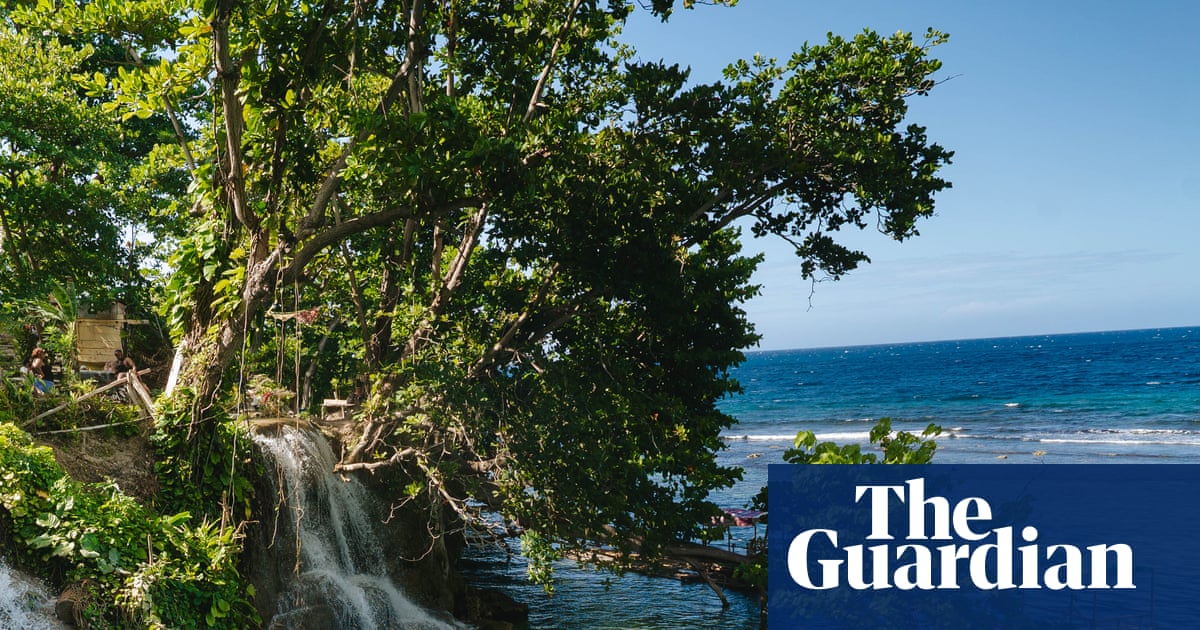
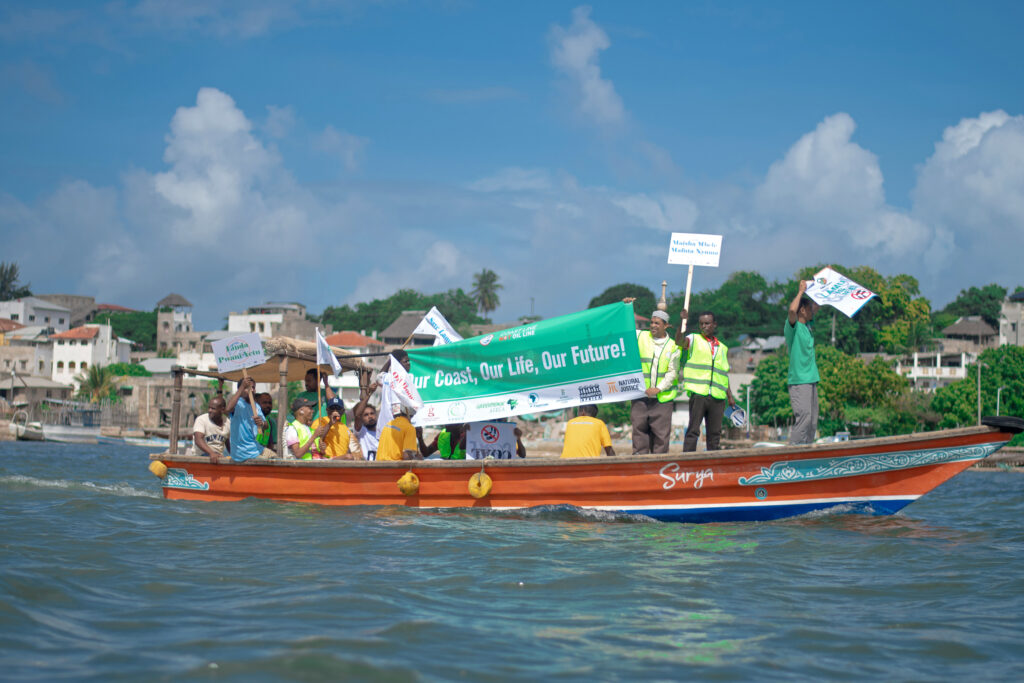
In Kenya, for example, researchers found that proposed offshore oil and gas fields cover 100 percent of the country’s coastal coral reefs, mangrove forests and marine protected areas, particularly in the Lamu Basin, which supports some of the country’s most productive fisheries.
“Right now, Kenya is preparing to open up environmentally sensitive areas for oil exploration,” said Muturi wa Kamau, of the Kenya Oil and Gas Working Group—a community network that promotes sustainable energy. “At what cost are we willing to risk these fragile ecosystems and the lives of coastal communities that have depended on them for generations?” Kamau asked in a statement released to the media about this report.
This story is powered by readers like you.
Our non-profit newsroom provides award-winning climate stories free of advertising. We rely on money from readers like you to keep us going. Please donate now to support our work.
Donate Now
In an interview with Inside Climate News, Kamau said fishermen have already clashed with oil exploration workers after fishing nets were caught by hydrophones used during seismic surveys. “These guys would really come with knives and cut the nets,” he said. “For the communities, that means no fish are caught that day.”
Native communities in Alaska who rely on hunting and fishing could also be affected by the 800-kilometer liquefied natural gas pipeline that will transport gas from the Arctic’s North Slope to Cook Inlet. If the project goes ahead, researchers say the extensive infrastructure that would be required could threaten fishing for salmon and other important species such as halibut and herring, disrupting critical food systems and ancient cultures.
It could also endanger the endangered Cook Inlet beluga whale. The report warns that LNG activity could increase the traffic of large ships through the inlet by 40 to 70 percent, adding to the underwater noise that could hinder the whales’ ability to hear, communicate and find food.
“Current vessel traffic in Cook Inlet is already so loud that it exceeds the limits of beluga whale harassment on an almost daily basis,” said Ben Boettger, energy policy analyst for Cook Inletkeeper, a non-profit organization dedicated to protecting the watershed, in a press release. “Once completed, the Alaska LNG pipeline could increase shipping to dangerous levels, threatening these critically endangered whales and the communities connected to them.”
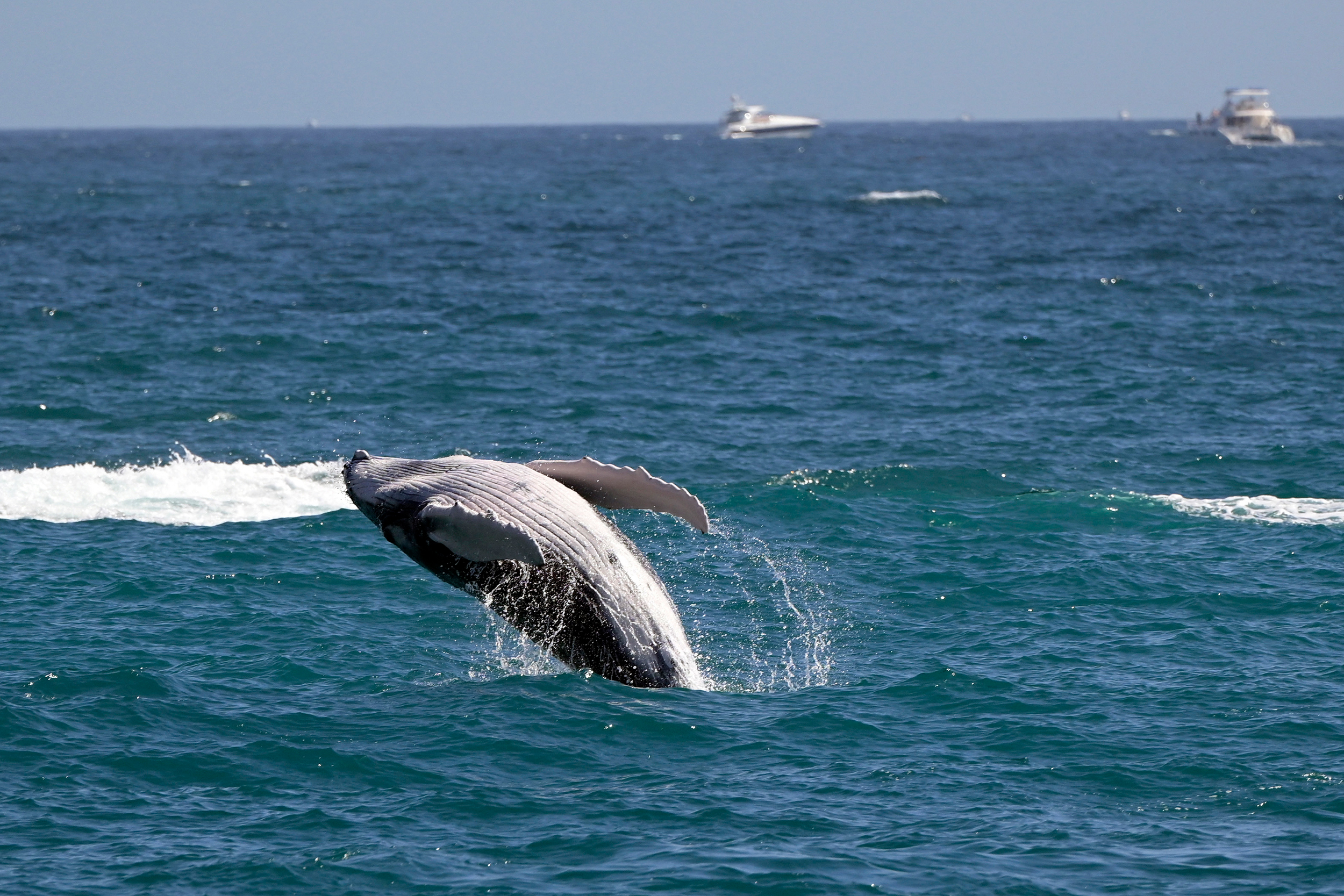
Underwater noise and the increased risk of ship strikes have emerged as recurring threats to whales and other marine mammals in several regions highlighted in the report. In Mexico’s Gulf of California, the proposed LNG shipping routes would pass through habitat used by endangered blue whales, California gray whales, orcas and the endangered vaquita porpoise. North Atlantic humpback whales in Norway’s Barents Sea may also be affected by proposed offshore oil and gas activity, as may pygmy whales in Australia’s Otway Basin and southern right whales in Argentina’s Gulf of San Matías.
To reduce those impacts, the report’s authors recommend that governments halt current extraction activities in marine protected areas and other biodiversity hotspots and stop approving new oil and gas projects on or near the coast.
The recommendations come as nearly 200 countries are working to protect 30 percent of the world’s land and oceans by 2030—a conservation goal known as “30×30,” adopted under the Kunming-Montreal Global Biodiversity Framework for 2022 to help halt and reverse biodiversity loss. The US is not a party to that agreement, and North America is expected to double its LNG export capacity in the next few years.
Miller, of Earth Insight, said the conservation targets give governments an opportunity to include new marine protections and restrictions on offshore oil and gas development.
“Country commitments to protect 30 percent of the ocean by 2030 represent a unique opportunity to limit fossil fuels and agreements to maintain the integrity of existing and future marine protected areas, whale and marine mammal corridors, and the health of coral reefs, seagrasses, and mangroves and the communities that depend on them,” he said.
About This Matter
You may have noticed: This story, like all the stories we publish, is free to read. That’s because Inside Climate News is a 501c3 non-profit organization. We don’t charge subscription fees, lock our stories behind a paywall, or cover our website with ads. We make our weather and environment news freely available to you and anyone who wants it.
It doesn’t end there. We also share our news for free with dozens of other media organizations across the country. Many of them do not know how to do environmental journalism themselves. We have built offices from coast to coast to report local news, work with local newsrooms and publish articles so that this important work is shared as widely as possible.
Two of us launched ICN in 2007. Six years later we won the Pulitzer Prize for National Reporting, and now run the nation’s oldest and largest dedicated weather newsroom. We tell the story in its complexity. We hold polluters accountable. We expose environmental injustice. We remove false information. We explore solutions and inspire action.
Donations from readers like you fund every part of what we do. If not, will you support our ongoing work, our reporting on the greatest crisis facing our planet, and help us reach more readers in more places?
Please take a moment to make a tax-deductible donation. Each one of them makes a difference.
Thank you,

Teresa Tomassoni
Oceans Correspondent
Teresa Tomassoni is an environmental reporter covering ocean crossings, climate change, coastal communities and wildlife for Inside Climate News. His previous work has appeared in The Washington Post, NPR, NBC Latino and the Smithsonian American Indian Magazine. Teresa holds a master’s degree in Journalism from the Craig Newmark Graduate School of Journalism. He is also a recipient of the Stone & Holt Weeks Social Justice Reporting Fellowship. He has taught journalism at Long Island University and The New York Times School. He is an avid scuba diver and spends most of his free time underwater.