Homes are in short supply in the US How new legislation could change the market

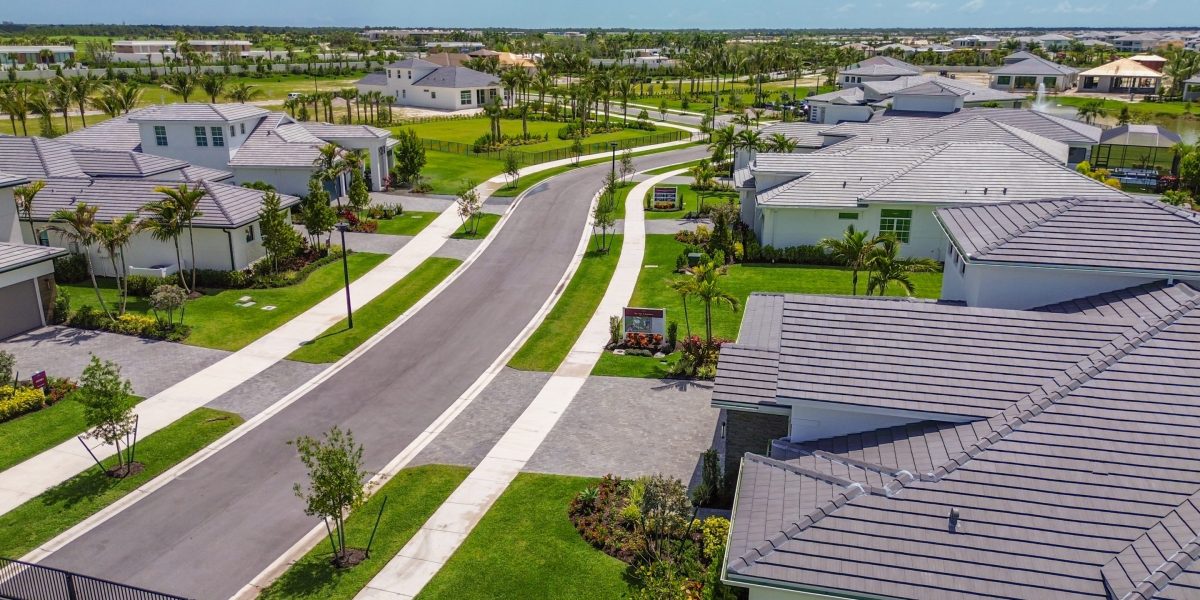
The new law passed on July 11 marks the most significant effort in decades to improve housing supply in the US.
The 21st Century Road to Housing Act, which passed both houses of Congress by a wide margin, is designed to bring relief to Americans struggling with high housing prices and costs. Its impact may not be felt for years, however, given the often long timelines for construction projects and state and local laws that limit development.
The end of the legislation was up in the air after President Donald Trump announced he would not sign the measure. Trump ultimately chose not to use his veto power to try to block the bill, clearing the way for it to become law.
Here’s what you need to know about the new law and how it could change the housing market.
What is included in the housing bill?
The bipartisan legislation aims to ease the housing shortage that has contributed to voter frustration about affordability. The law includes new rules that make it easier to develop factory-built housing and encourage localities to remove barriers to construction.
The housing law also aims to limit the position of large investors in the housing market, in part by preventing institutional investors with more than 350 homes from purchasing additional single-family properties.
Among the legislation’s initiatives is a plan to encourage state and local governments to reform restrictive zoning policies that prevent housing. There are provisions to establish pre-approved housing projects and to facilitate environmental reviews in an effort to reduce regulatory barriers that delay or block new construction. In addition, the bill would create a pilot program to offer competitive federal grants to areas that convert underutilized commercial buildings into affordable housing.
The law also includes nine provisions that loosen regulatory requirements for community banks that would make it easier for them to extend mortgage loans.
Read more: Trump Undercuts GOP Message With Snub of Housing Bill
The Big Take Podcast: Why Everyone’s Talking About Housing Policy
How did President Trump react to this bill?
After signaling that he would sign the housing bill once Congress approved it, Trump suddenly announced that he would not sign the measure unless Congress passed an unrelated ID bill. The move provided a surprising last-minute twist to lawmakers’ efforts to pass the bill.
Trump could have vetoed the law entirely, which could lead Congress to vote on whether to override the veto. But by not signing or opposing the law, it automatically became law ten days after it was officially sent to the president’s desk. The legislation initially passed the House of Representatives and the Senate with large majorities.
How many new houses does the US need?
Estimates vary. Freddie Mac in November 2024 said the US is 3.7 million homes short of what is needed based on the growing population. The National Association of Realtors in June 2021 estimated a shortfall of 5.5 million units, based on construction trends over the past 20 years compared to construction rates from 1968-2000.
The White House in the spring said the shortage reached at least 10 million single-family homes.
How did the US get into this situation?
The high cost of housing today is largely due to a shortage of inventory 20 years in the making. Housing construction recovered after the 2008 financial crisis and has not returned to pre-crisis levels.
Although construction slowed, costs rose during the Covid-19 crisis as people sought more comfortable living conditions. The increase in population fueled the high demand in many cities. House prices remain high as mortgage rates have doubled in recent years.
Does the federal government have much influence on the housing market?
Government-controlled mortgage companies Fannie Mae and Freddie Mac prop up the mortgage market by bundling loans into securities they sell to investors, freeing mortgage originators to make other loans.
But the federal government’s ability to influence prices and construction activity is limited: Many factors that drive up costs — including restrictive zoning, costly permitting processes and complex regulations — are decided at the state and local levels.
Would restrictions on investor ownership of single-family housing units affect supply?
It is not clear how much of an impact the investor restrictions will have on house prices. Large institutional investors own only about 2% of the nation’s single-family rental properties.
The rate can limit investment in the market. But House lawmakers succeeded in stripping a controversial provision requiring large investors to dispose of rental properties within seven years. Housing experts and advocates said such a requirement would limit one of the few existing sources of new supply and could jeopardize the construction of up to 100,000 new homes a year.
What role does zoning play?
Zoning plays a big role, in some cases it is more expensive to build affordable housing because it restricts the type and size of housing in many areas. Many communities dominated by single-family homes have zoning laws that limit the construction of apartments, for example. Regulatory costs at all levels – state, local and federal – accounted for 26.4% of the average sales price of a home as of January, according to the National Association of Home Builders.